
Top 10 Tips On Currency Exchange Rate Margin
In the field of international finance, understanding the importance of exchange rate margins for those involved in travel, conducting business, or managing investments across borders. The exchange rate margins represent the price differences of buying and selling currencies. They may significantly impact the price of transactions. These margins may differ greatly between providers. They influence the amount you pay for exchanging money or the way you earn from the investment. By grasping the nuances of exchange rate margins, you can make more informed decisions that save you money and enhance your financial performance. Here are ten tips on how to effectively manage exchange rates margins.
1. Understand what the exchange rate margin means
The exchange rate margin or spread is the difference of the amount an exchange rate margin for a currency is sold for and the price it can be bought at (ask). This is a crucial concept for investors, travelers and business because it affects the amount you pay when you convert currencies. A wider spread is an exchange rate that is higher which lets you make more informed financial choices.
2. Compare the margins of different providers
Different financial institutions and services provide different rates for exchange. Before you make a currency exchange check the exchange rates of multiple providers. This includes banks kiosks, online platforms, and kiosks. Websites like XE.com, OANDA and others can give you real-time insights regarding margins and rates. You can then choose the best option for your particular transaction.
3. Understanding the influence of markets on Margins
Exchange rate margins may be affected by various factors such as market volatility as well as economic indicators and geopolitical developments. For instance, an abrupt political or economic crisis within a country could increase the margins because of increased risk. You will be able to make better choices regarding exchange rates if you know the market dynamics.
4. Platforms for exchange online that offer currency
The online currency exchange platforms offer more favorable exchange rates and lower margins and fees as compared to traditional banks. Wise's (formerly TransferWise's) and Revolut generally provide instant quotes, with less fees and better margins. If you are converting currencies to be used for business or travelling such platforms can save you a lot of dollars.
5. Timing Your Currency Exchange
The timing of the exchange of currency will have a significant impact on the margins you earn. The exchange rates fluctuate every day based on the demand for market and availability. Monitoring these fluctuations will assist you in determining the ideal times to change currency. This could lead to greater margins. Tools that track changes in the currency are helpful in making these decisions.
6. Hedging Currency using Leverage
Hedging currency can be a useful tool for businesses and investors to manage the margins of exchange rates. Hedging involves locking in exchange rates in advance for future transactions with financial instruments. This protects against currency fluctuations that are negative. This method can lessen the effect of increasing margins and enhance profit stability especially for businesses involved in international commerce.
7. Pay attention to Economic Indicators
Different economic indicators, like inflation rates, interest rates, and employment data, can affect exchange rates and margins. A country with an increase in interest rates could attracted foreign investments, thus strengthening their currency and narrowing its exchange rate margin. By keeping track of these indicators, you will be able to gain insight into possible currency fluctuations and alter your exchange strategies accordingly.
8. Consider Local Currency When Traveling
When you travel, prefer to pay in local currency, not the currency of your home country. This practice allows you to stay clear of negative exchange rate margins which are sometimes associated with the dynamic conversion of currency (DCC), an option that is offered by a lot of merchants. When you pay in local currency, it provides customers with a higher conversion rate. You can lower the overall price of your purchases.
9. Beware of hidden fees
Beware of hidden fees. Exchange services can cost you additional fees on top of the margins for exchange rates. They could include transaction charges as well as service fees and commissions, which can increase the margin you get. To avoid any unanticipated charges be sure to review the fine print before you make a decision to exchange currency.
10. Get financial advice from experts when it comes to large transactions
Consult with currency experts or financial experts if you're dealing with large amounts of cash or complicated currency exchanges. They can provide an invaluable perspective. These experts can guide you through understanding exchange rate margins and suggest ways to reduce expenses. Their knowledge is particularly beneficial for business owners or investors who want to make the most of their currency holdings.
The following detailed information about margins on exchange rates will help you navigate the complexities of currency transactions, regardless if you're on the road, managing investments, conducting business, or both. Knowing how to manage the exchange rate margins can help you make better financial decisions, aligned with your goals. This will end up saving you money and improve your financial plan. Have a look at the best currency exchange for blog recommendations including usd mxn, usd to jpy, usd to euro exchange rate, yen to usd, usd to rs, dollar to rmb, usd to cad, us dollar to php, jpy usd, swiss franc to usd and more.
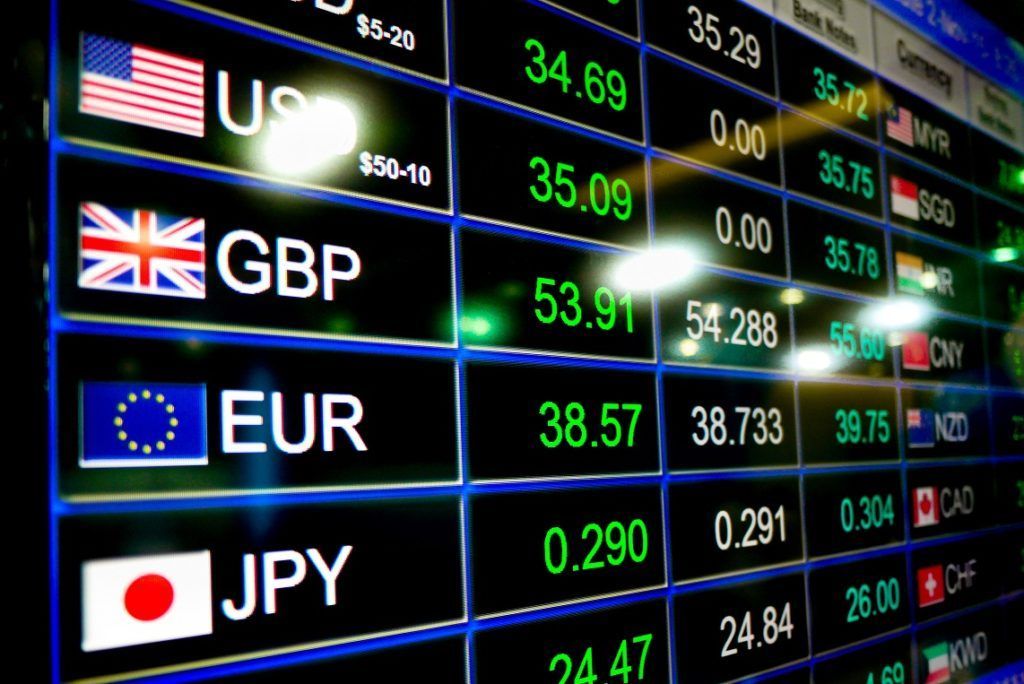
Top 10 Tips For Destination Currency And Currency Exchange Rates
Understanding the currencies of a destination is crucial for anyone planning to travel abroad, conducting international business, managing investment overseas or conducting international transactions. The currency you are using is the local currency in the country you're visiting, or with whom you are in committed to. It can impact your financial decision. Fluctuations with conversion rates and exchange rates as well as the economic climate in general could affect the amount you travel, or how profitable your business deals and investments are. By becoming familiar with the currency of your destination and its consequences, you will be able to improve your financial strategies and make educated choices. These are the top 10 suggestions for handling foreign currencies when it comes to your financial goals.
1. Research the Local Currency Before Traveling
Learn about local currencies prior to traveling to another country. You should also familiarize yourself with the different denominations of currency and their equivalent value to your personal currency. This will help you organize your budget more effectively and prevent paying too much for products and services. Websites such as XE.com offer actual exchange rates in real time and historical data, allowing you to estimate how much your money will be worth abroad.
2. Check Exchange Rates Prior to your trip
Utilize tools and applications for currency tracking to provide alerts to advantageous exchange rates. The tools and apps to track currency can be utilized to create alerts when rates are in a favorable position. If you notice signs that the currency is weakening, you should consider changing your currency earlier to get the most the power to purchase on your travels.
3. Currency Conversion Costs: What Should You Be Thinking About?
Banks, exchange services and ATMs can charge a range of fees for currency conversion. Converting your home currency into the currency you want to use could be costly. Check rates from various companies and look into online platforms that provide low exchange rates and lower costs to convert currencies.
4. Use local currency for transactions
Pay in local currency when you make purchases overseas. Don't use your home currency. If you decide to pay in your local currency it can result in an automatic currency converter (DCC), with higher charges and less favorable exchange rates. You can benefit from better exchange rates when you pay using your local currency.
5. Plan for Cash Needs in Advance
While debit and credit cards are accepted by a large majority of people, it is still important to have some cash available in case you require to pay for a small amount or offer a tip or go somewhere which does not accept card payment. Think about withdrawing more funds at one time to reduce the cost of transactions. Find out about the fees and limits of ATMs prior to using an ATM abroad. The availability of local currency can make your trip more enjoyable and prevent inconveniences.
6. Learn about Local Payment Preferences
Payment methods differ from country to country. In certain countries, cash is the most popular choice. Some countries rely more on digital payments or cards. Learn about local payment practices by studying the local culture of the area. It is possible to use this information to design your payment strategy and ensure that you have all the necessary tools to make a smooth transaction.
7. Be aware of currency risks for business
If you conduct business in a foreign country be aware of the risks to your currency that come with fluctuations in exchange rates. An abrupt drop in value of a destination currency could impact your margins of profit or your general financial performance. Hedging strategies such as forward contracts to guard against fluctuations in currency and secure rates for future transactions.
8. Track Your Spending
Track your spending during vacation in the currency of your destination. Utilize budgeting software or keep a detailed log of your expenses in order to track the amount you spend in the local currency. This will allow you to not overspend on your trip and ensure you have enough money.
9. Learn More About Financial Regulations
Different countries have different laws concerning the conversion of currencies, cash transactions, reporting requirements as well as reporting requirements. It is crucial to be familiar with these rules to avoid legal issues when traveling or working. Some countries limit the amount of cash you can take in or out while others require that you declare significant transactions. Be aware of these regulations to help navigate these regulations smoothly.
10. Consult Currency Experts before Investing
If you are looking to keep an eye on your foreign investments, speak with experts in currency or international financial advisors. They can give you insight into the impact of fluctuations in the currency on your investment portfolio and aid you in establishing strategies to manage currency risk efficiently. Their knowledge will assist you navigate the complexity of destination currencies and maximize your financial outcomes.
You can manage your destination currency better by adhering to these specific guidelines. Knowing the benefits and implications of the currency you choose to use will allow you to make better financial decisions accordance with your objectives. This will enhance your overall experience and your financial plan. Take a look at the top CZK to EUR for site info including aed to usd, dollar to yen, pound to dollar, usd to chinese yuan, convert gbp to usd, convert euro to usd, usd to euro exchange rate, dollar to php peso, pound sterling to usd, rmb to dollar and more.
